Strengthening Local Producer-Focused Food Supply in Haymana
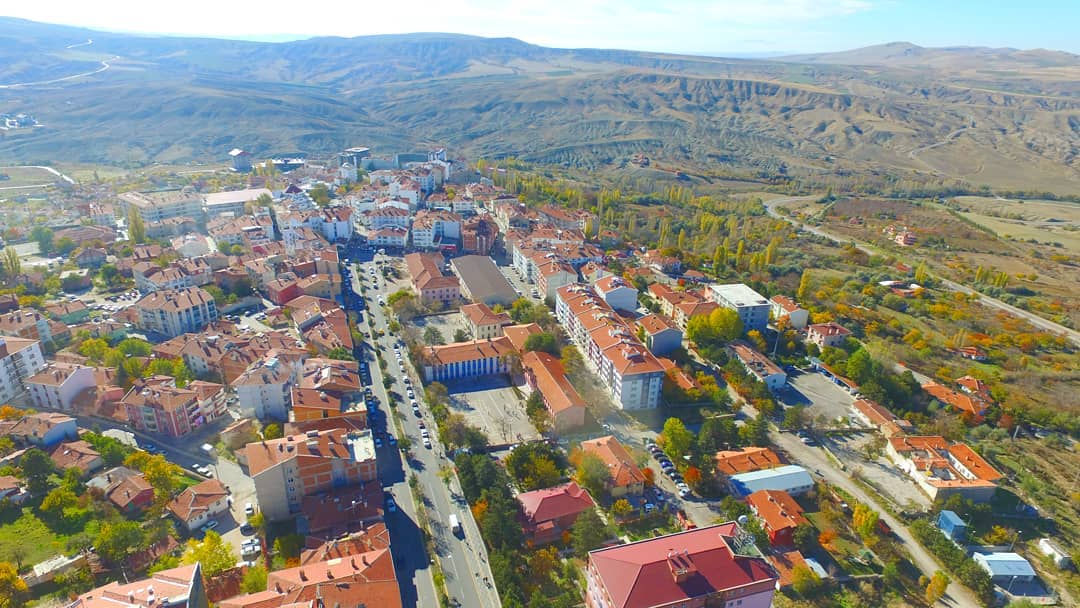
Türkiye’s food supply sector is undergoing a significant transformation, where the role of local producers and suppliers is becoming increasingly important. Growing population demands, the continuous food needs of public institutions, and rising quality expectations require more planned, transparent, and sustainable supply models. One of the notable examples of this transformation can be observed in Haymana, one of Ankara’s key agricultural regions.
With its strong agricultural infrastructure, strategic location, and logistical accessibility, Haymana stands out as a region where local supply models are steadily developing. In food procurement processes for public institutions and mass consumption facilities, criteria such as product quality, continuity, hygiene standards, and on-time delivery have become priorities. As a result, the preference for working with local suppliers has become more widespread across the sector.
Recently, the adoption of transparent procurement methods and the implementation of more open and auditable tender and proposal processes have strengthened trust within the food supply sector. This approach not only supports the efficient use of public resources but also contributes directly to the regional economy. Including local producers and suppliers in procurement processes enables the formation of a sustainable supply chain.
In this context, as TCS Group, we consider it a priority to contribute to the development of local supply models through our quality-focused product sourcing, planned logistics management, and transparent operational approach. By closely monitoring regional dynamics and the needs of public institutions, our approach aims to establish reliable and sustainable food supply processes. This understanding lays the foundation for long-term partnerships and continuous improvement in service quality.
When evaluated specifically for Haymana, the strengthening of the local supply chain creates a sustainable structure based on mutual trust between producers, suppliers, and public institutions. This structure not only meets today’s needs but also plays an important role in developing planned and reliable food supply systems for the future.